
A summary of the campaign is available in the PDF file below and in the Materials tab, where you can also find German, Italian, and Slovene translations.
The individual content elements of the transmedia campaign have been distributed across various media channels, including the eLearning platform Elearningproject.eu, YouTube video and podcast playlists, Facebook and LinkedIn posts and reposts, Spotify, and printed media like stickers, posters, and roll-ups.
In the video below, the speaker, a member of the Ethics Commission at UPT University in Romania, explains that the committee was established in 2015 to ensure ethical conduct. This committee has 11 members, including a student representative, chosen through a rigorous process to maintain independence. The committee follows the university’s code of ethics and specific regulations, focusing on legality, fairness, and good faith. Their primary role is implementing the code of ethics, educating the community, and preventing ethical violations. They’ve seen an increase in cases, possibly due to greater awareness. While they provide annual reports mainly in Romanian, they are open to suggestions for improvement and internationalization.
In the below video, the speaker highlights the importance of staying informed about students’ behavior in using a certain AI instruments.The UP Team has been established, offering training on ethics in artificial intelligence, with modules translated into various languages. The speaker emphasizes the significance of these efforts.
“Academic Mobility Ethics – A Practical Guide”, which you can find in the below section, is a comprehensive resource designed to provide insights and guidance on navigating the ethical considerations associated with academic mobility. This guide aims to support individuals and institutions involved in international academic endeavors, fostering a responsible and ethically informed approach to academic mobility.
The following article delineates the facets of media violence within higher education. Enhancing the article’s content, accompanying infographics are provided below to visually reinforce and complement the information presented in the text.
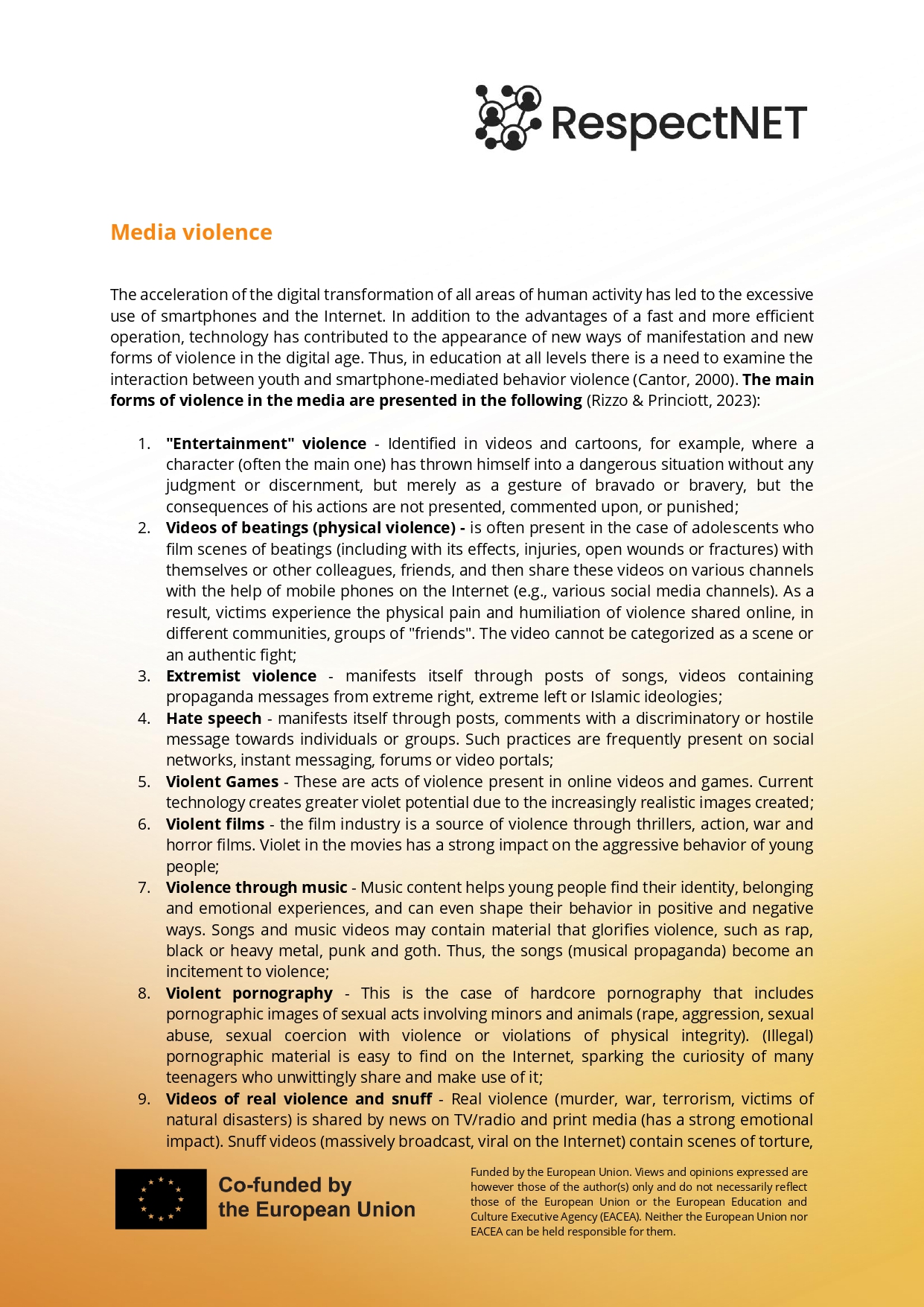
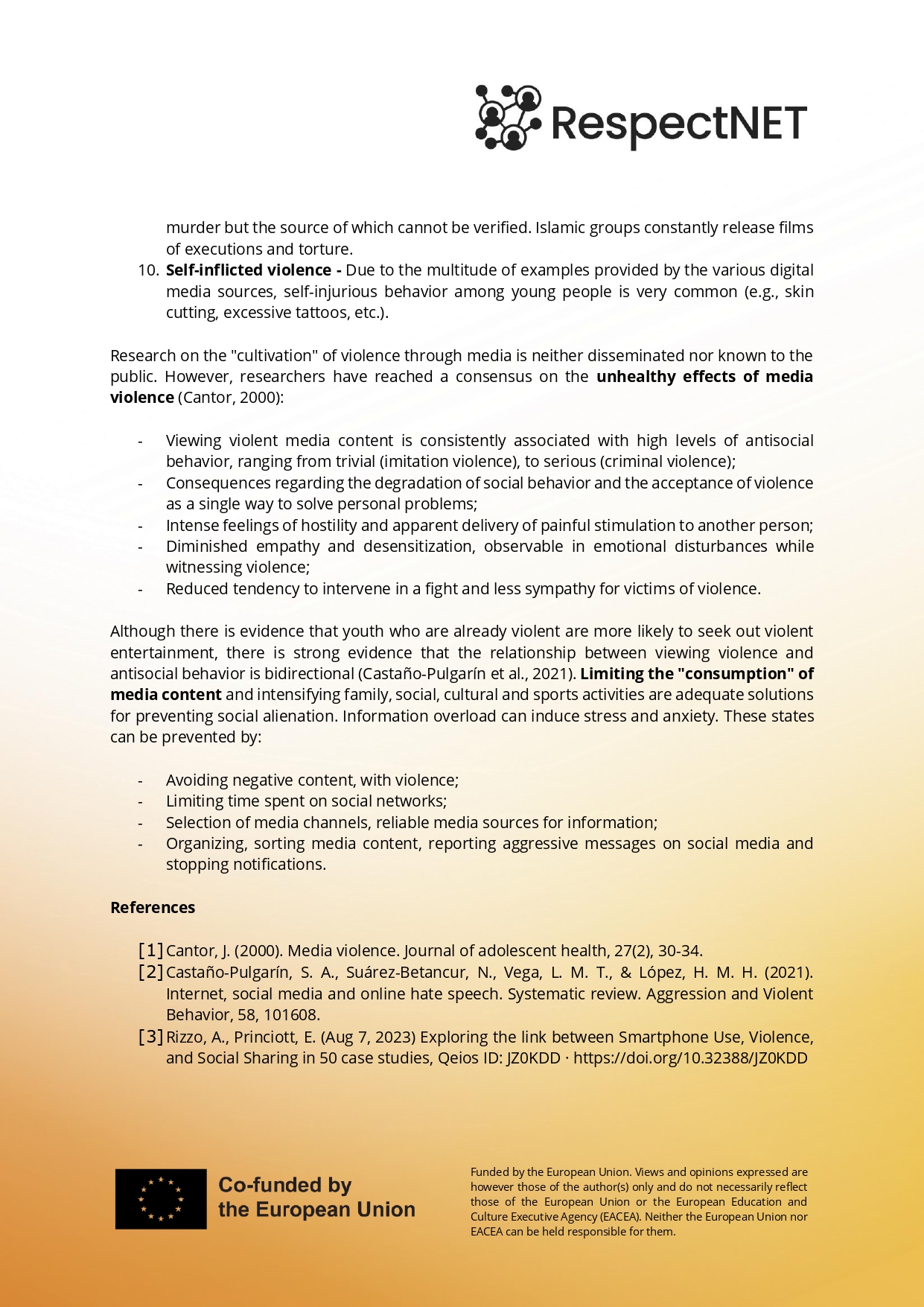
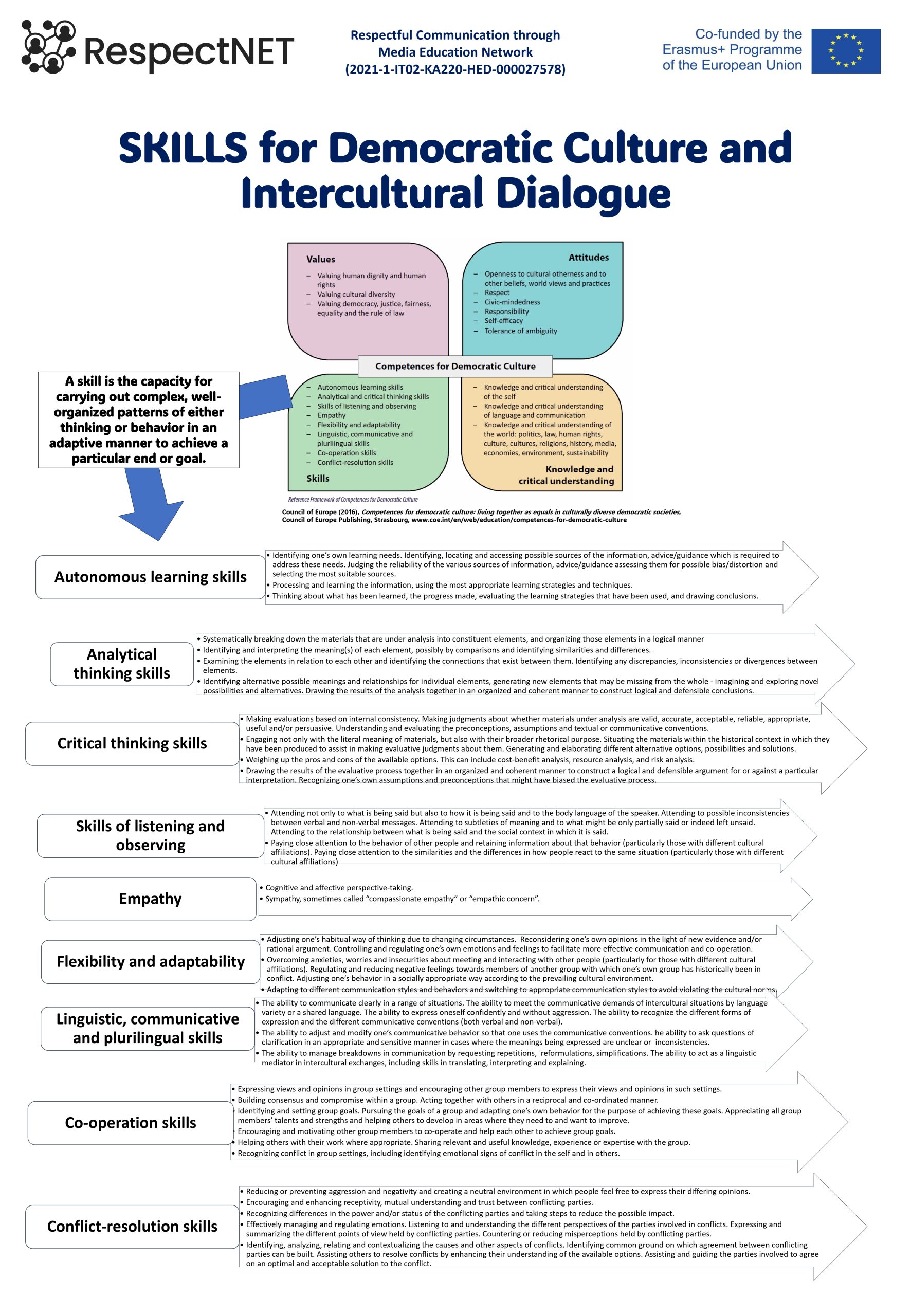
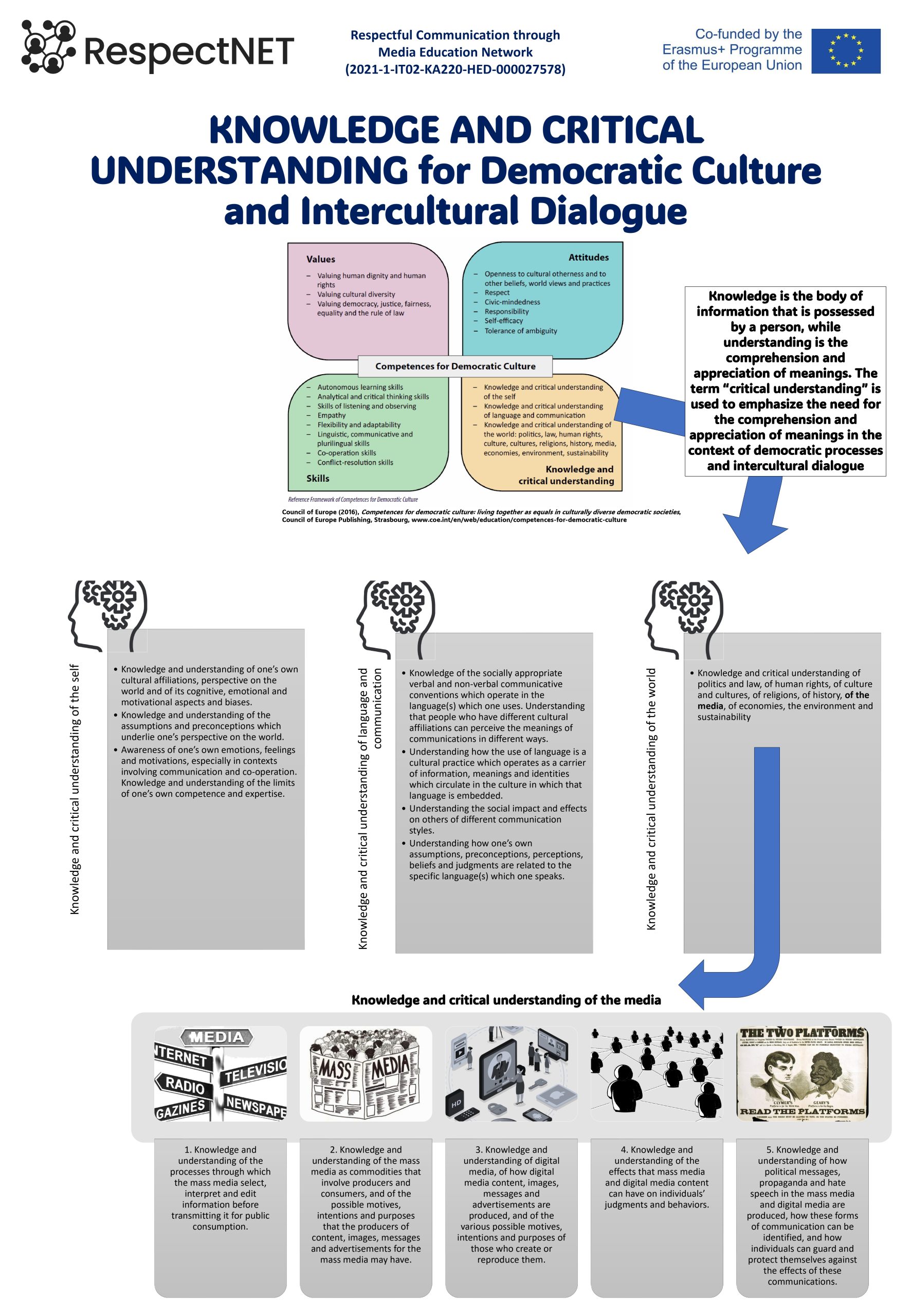
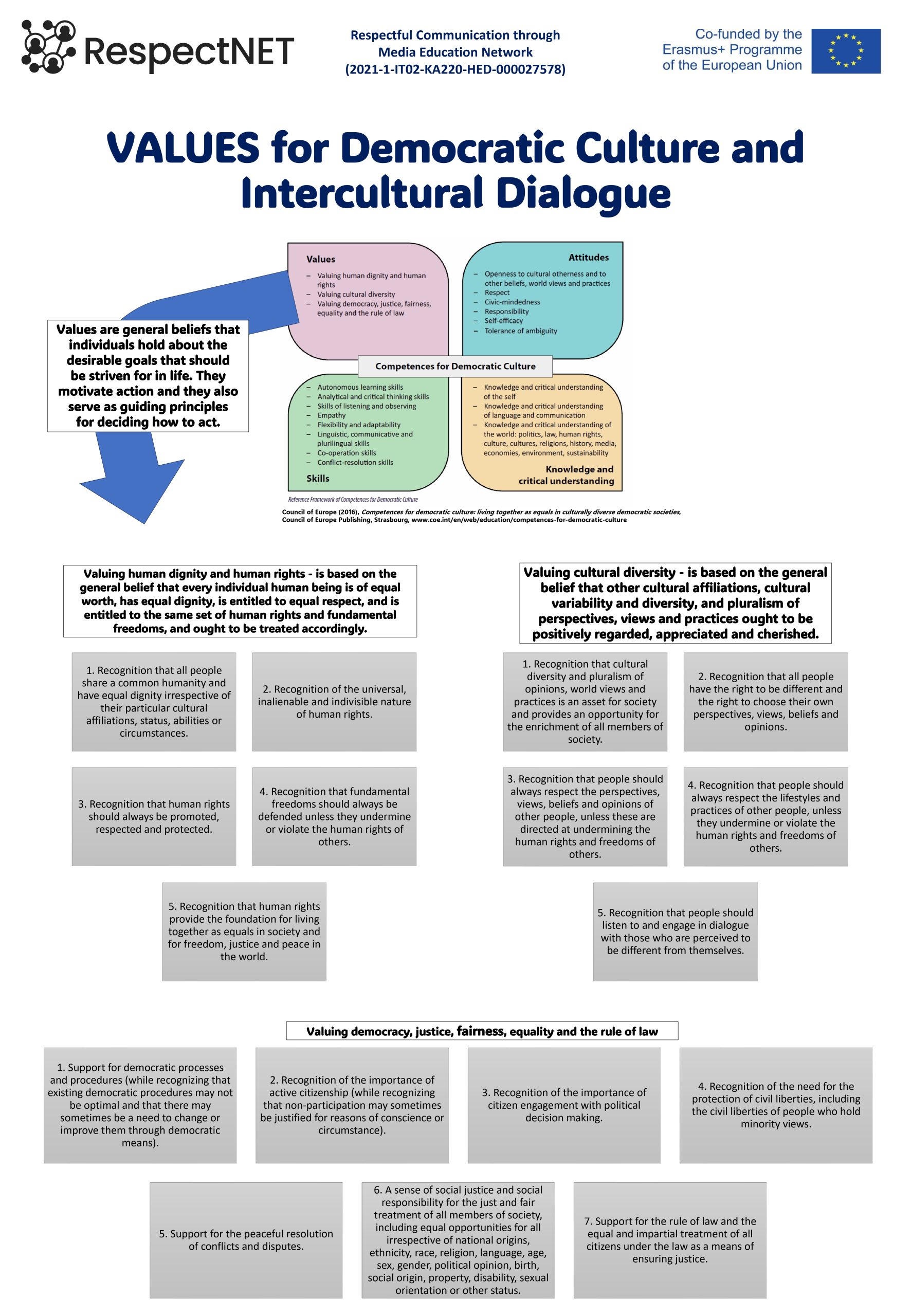
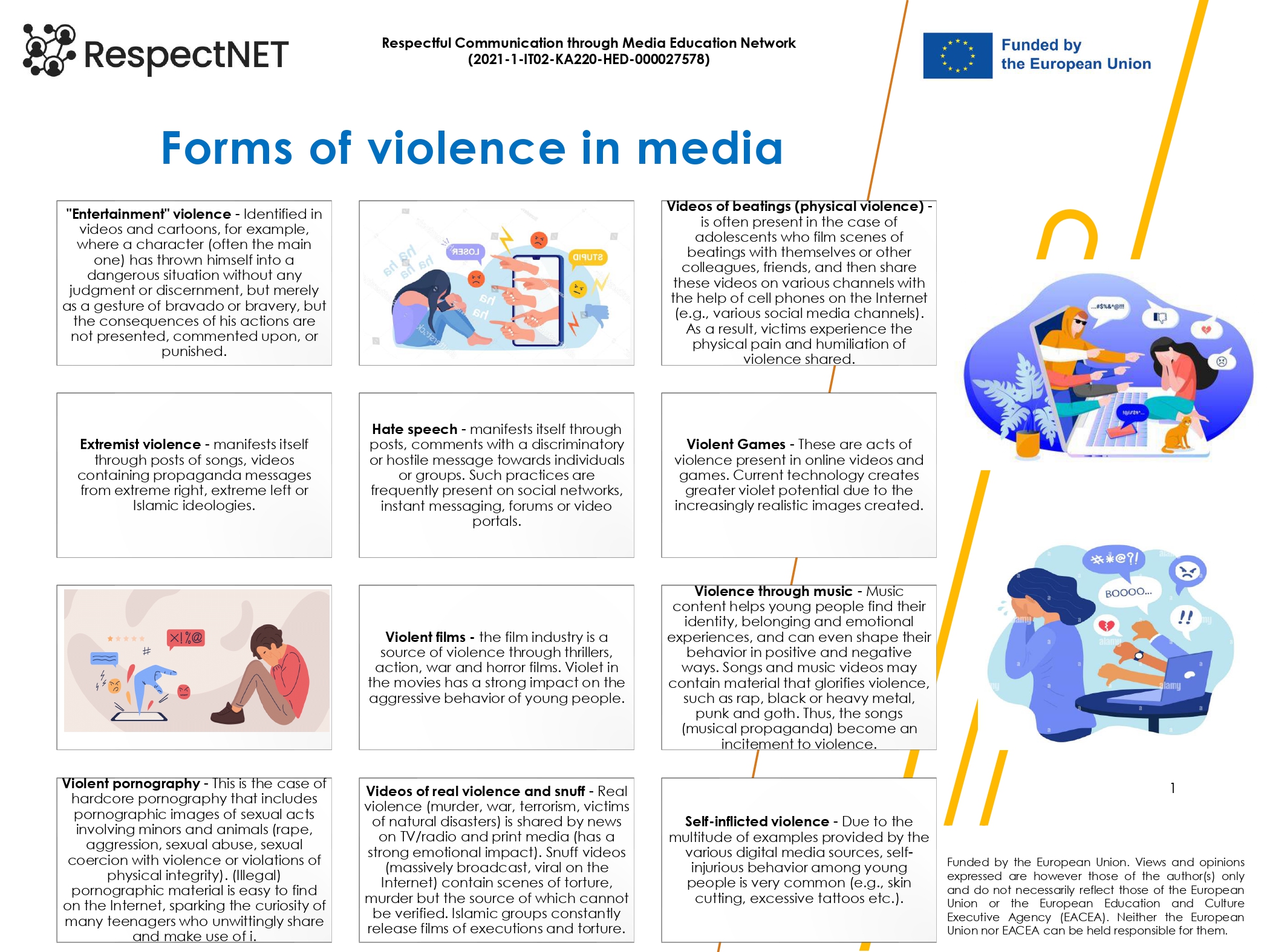
The below presented UPT-produced materials encompass a series of informative posters and infographics. The first addresses various forms of media violence, exploring their societal impact. The subsequent three focus on fostering a democratic culture and intercultural dialogue, covering values, skills, and attitudes essential for such environments. The final piece delves into the knowledge and critical understanding necessary to contribute to a democratic culture and engage in meaningful intercultural dialogue. Each resource serves as a visual guide, offering insights into different aspects crucial for building a harmonious and inclusive community at UPT.
The below UPT presentations cover diverse topics. Alexandra Balla’s post-COVID presentation explores the changed landscape. Cristina Saracu discusses diversity, equity, and inclusion in academia, offering strategies for an inclusive environment. Marius Popa explores the proactive role of Lions Clubs in civil society, detailing their contributions. Together, these presentations provide concise insights into post-COVID challenges, fostering inclusivity in academia, and the impactful role of civic organizations like Lions Clubs.
The item below displays a page of stickers designed for potential use in promoting the RespectNET project. These stickers serve as a visual tool for disseminating information and creating awareness about the project’s objectives and values.
