
A campaign summary is available in the PDF file below and in the Materials tab, where you can also find German, Italian, and Slovene translations.
The individual content elements of the transmedia campaign have been distributed across various media channels, including the eLearning platform Elearningproject.eu, YouTube video and podcast playlists, Facebook and LinkedIn posts and reposts, Spotify, and printed media like stickers, posters, and roll-ups.
The video below highlights the benefits of using AI, such as improved efficiency and personalized communication, while acknowledging potential ethical concerns.
The podcast below presents a Strengths-Weaknesses-Opportunities-Threats analysis of AI in higher education as viewed from the ChatGPT point of view.
This podcast below focuses on a recent study at the University of Ljubljana. The study reveals that students primarily use ChatGPT for information retrieval, idea generation, and improving their academic work. However, problematic usage, such as ChatGPT to complete assignments, is also prevalent.
In the podcast below, threats related to academic publishing are discussed. AI can improve and speed up the publishing process, but it also raises worries about quality, prejudice, and job displacement.
In an engaging video podcast below, journalist and digital technology researcher Neja Berger explains the dilemmas caused by the increasingly prevalent artificial intelligence. How will it change our world and impact our education, work, and private lives? Why are robots becoming more and more similar to humans? The recording is available on the RTV 365 website.
Below are four short readings about critical issues related to artificial intelligence in higher education.


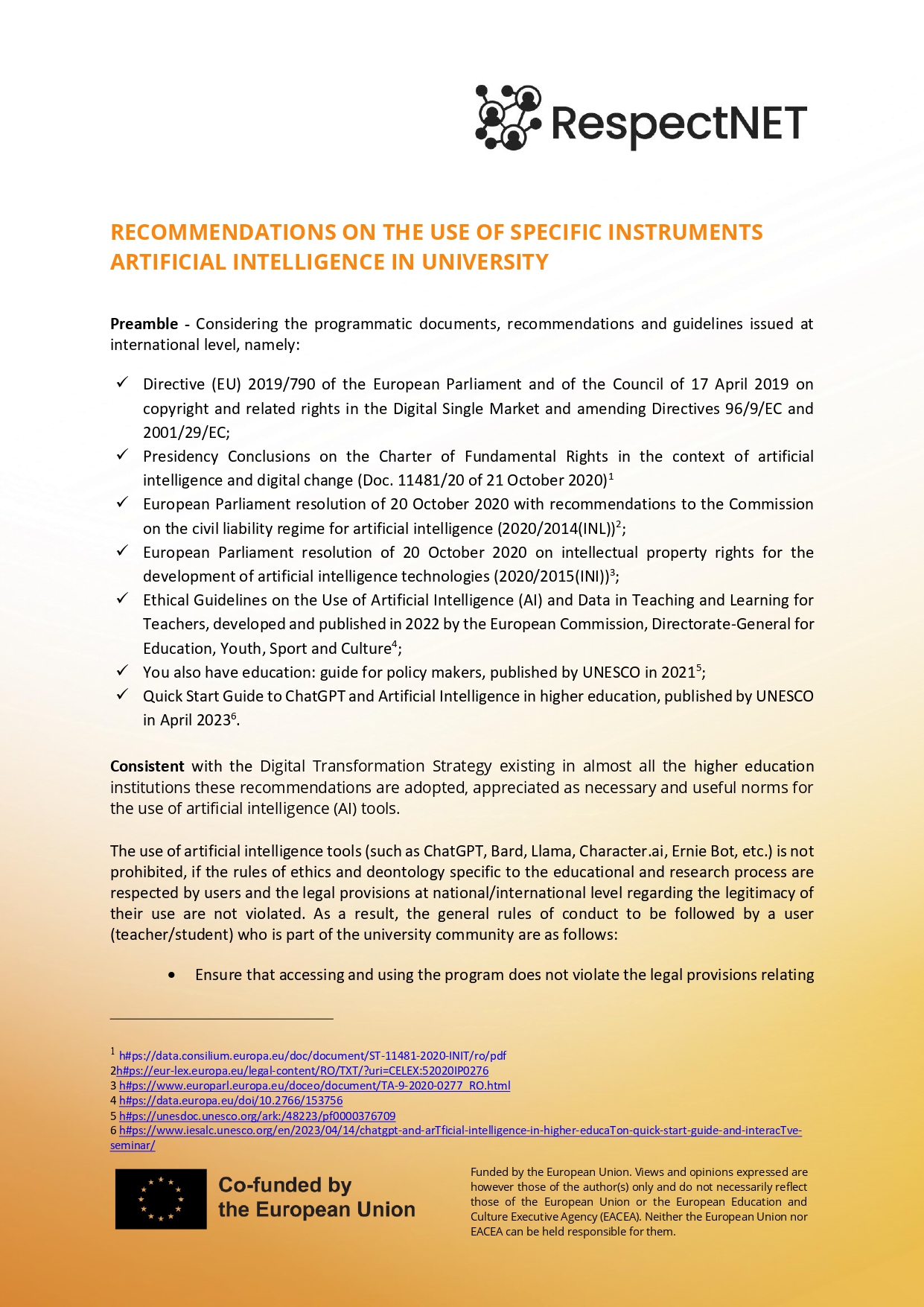
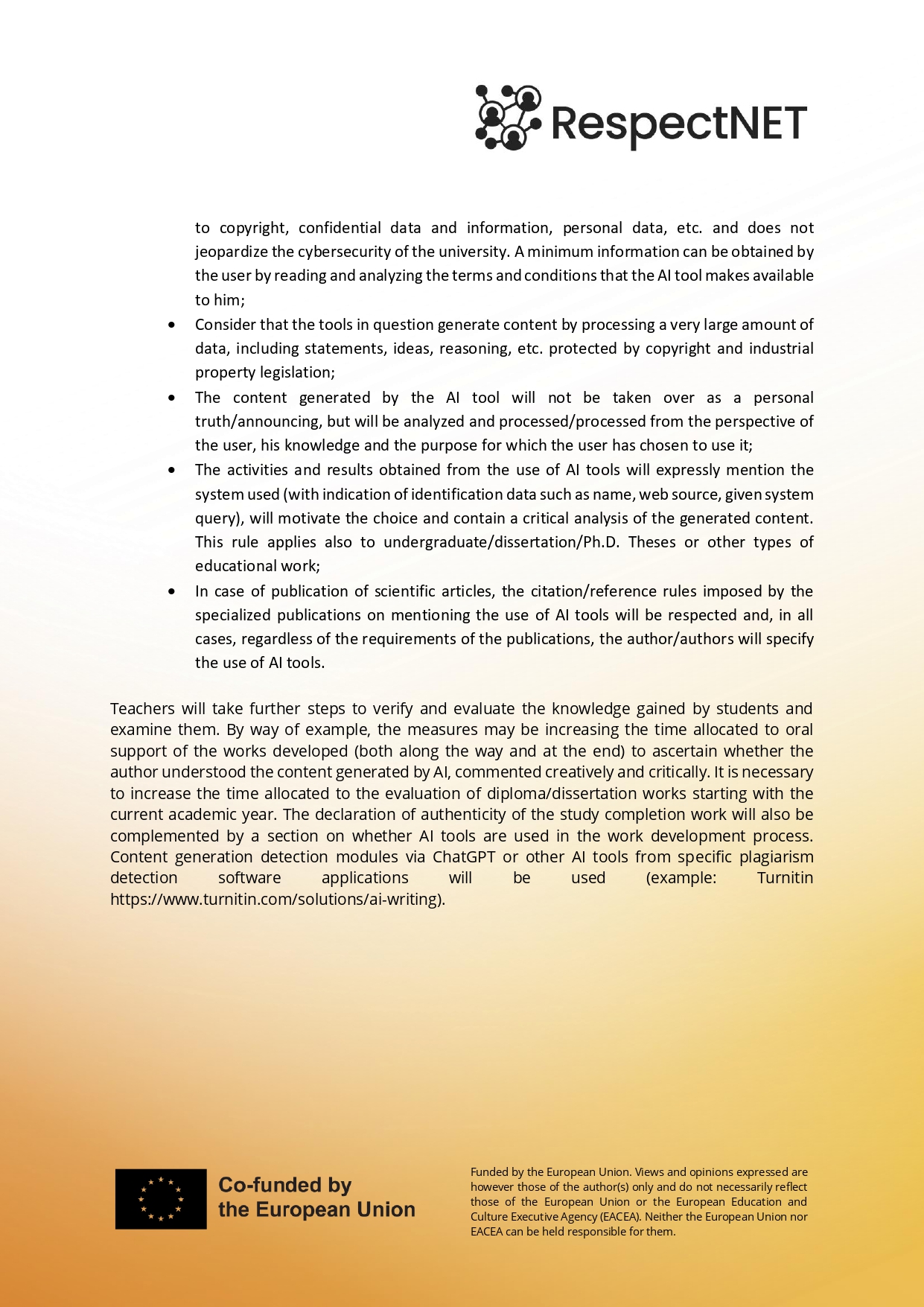
Below is a reading available in German language describing the so-called Civil Society 4.0. from the AI point of view. AI is now a part of our everyday lives and has a profound impact on our society. The German government is committed to promoting the responsible and socially beneficial development and use of AI. With the initiative “Civic Coding – Innovation Network AI for the Common Good”, the government aims to support the development of social innovations in AI and to promote the social appropriation of AI. Click to read the text.
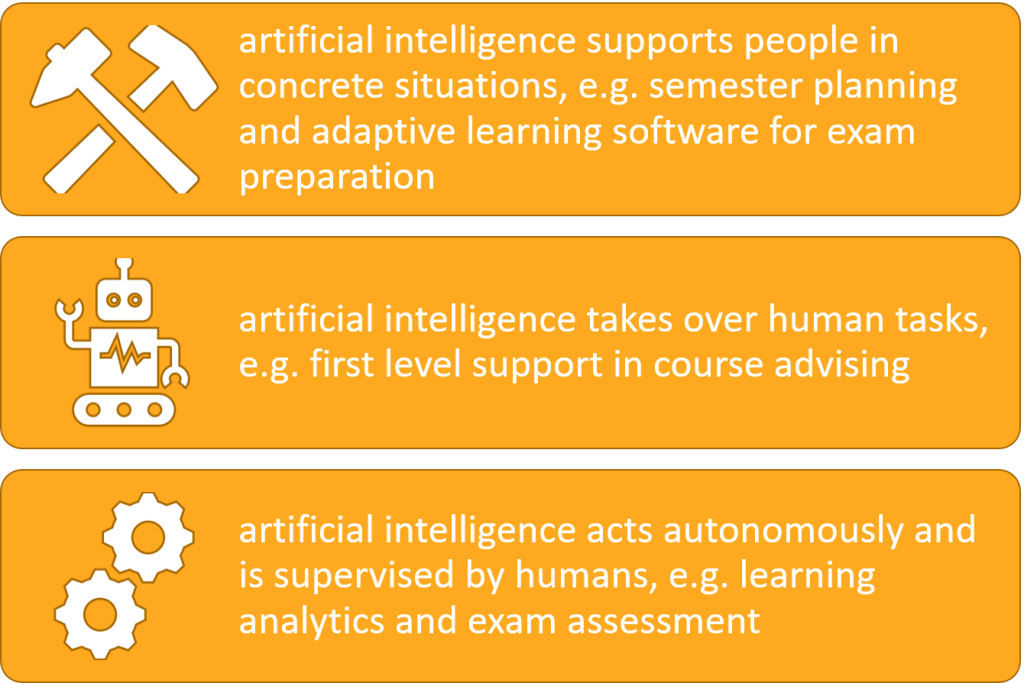
The infographics below summarise key opportunities and problems or threats related to using AI in higher education. They relate to the educational as well as research activities. One of the infographics shows the results of an analysis of scientific articles about the use of AI in higher education, showing the main trends of the research.


The video below shows an interesting panel discussing the following highlights:
AI in Higher Education: Chatbots and virtual assistants help students, network security secures networks, and generative AI and auxiliary materials enhance learning.
Student Success: AI is used to personalise instruction, provide timely feedback, and assist students in understanding their success and areas for development.
Challenges and Ethics: The panel recognises AI’s possible biases and the need for transparency and accountability in data collection and decision-making. They emphasise using AI ethically to help students.
Faculty-Student Relationship: The discussion balances employing AI to support faculty and improve teaching while keeping the crucial human-to-human relationship between teachers and students.
Future Implications: The panel expects AI to continue democratising and personalising education. They expect AI-enhanced classrooms, virtual reality learning, and adaptive learning tools.
Participants are optimistic about AI in higher education but stress the necessity for appropriate adoption and ongoing study of its effects on students and educators.
