
Introduction
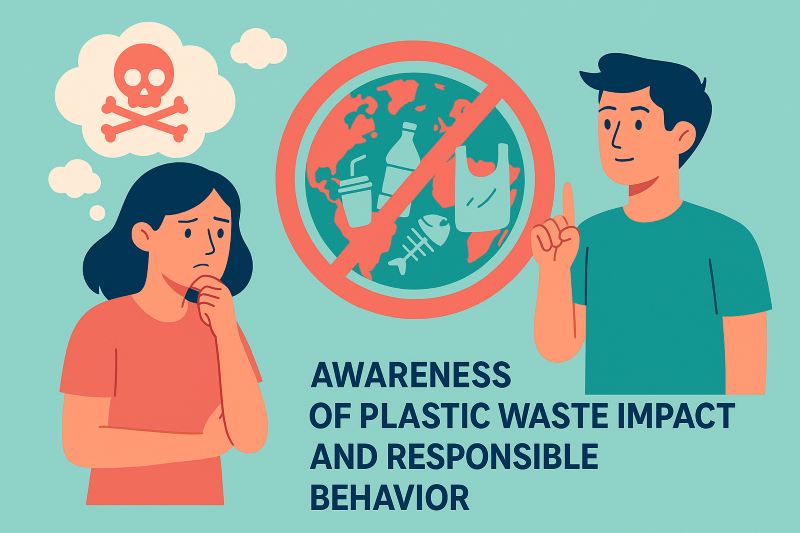
Plastic waste has become one of the most significant environmental challenges of our time, with far-reaching impacts on ecosystems, human health, and climate stability. Addressing this crisis requires more than technological innovation—it calls for a fundamental shift in mindset, values, and behaviours. This lesson introduces the critical importance of understanding the environmental, social, and ethical consequences of plastic use and pollution.
Drawing on scientific data, real-world case studies, and interdisciplinary perspectives, the lesson explores the lifecycle of plastic products—from extraction and production to disposal and pollution. It also highlights human exposure pathways, health risks associated with micro- and nanoplastics, and the ethical responsibilities of both industries and individuals. Students will learn about systemic solutions such as Extended Producer Responsibility (EPR), sustainable design, and behavioural change frameworks that empower citizens to become active agents in shaping a circular and climate-neutral future.
By fostering awareness, responsibility, and collaboration, this lesson aims to equip learners with the knowledge and competencies necessary to critically assess plastic-related challenges and contribute meaningfully to sustainability transitions.
Enjoy the Learning Journey!
EDU4Plastic Team
